APlus Sign Co society Streamline Your Home and Office Services with Trusted Professionals

Streamline Your Home and Office Services with Trusted Professionals

Knoxville Relocation Solutions For Families

Moving to a new home or office can be exciting, but the process is often stressful and time-consuming without professional help. Knoxville Movers provide comprehensive relocation services that make every step of your move smooth and worry-free. From packing delicate items to safely transporting heavy furniture, their expert team ensures your possessions arrive on time and in perfect condition. Their local knowledge of Knoxville helps reduce delays, making them an invaluable partner for both residential and commercial moves.

Reliable Plumbing Solutions in Greensboro

Equally important for homeowners and businesses is having access to reliable plumbing services. Whether it’s a sudden leak, clogged drains, or regular maintenance, you need professionals who respond quickly and effectively. Platforms like greensboroplumbers.net connect residents with licensed, highly-rated plumbers in Greensboro, ensuring that issues are resolved efficiently while preventing costly damage. Regular plumbing check-ups not only safeguard your property but also improve water efficiency and prolong the lifespan of your pipes. Knowing you have trusted experts just a call away brings peace of mind for any household or commercial property.

Full-Service Moving Options in Detroit

For those planning longer moves or cross-state relocations, choosing a company with extensive logistics experience is essential. Websites like https://detroitmovers.net/ offer full-service moving solutions, including packing, transportation, and setup at your new location. Their team uses specialized equipment for handling large or fragile items, reducing the risk of damage during transport. By leveraging professional movers for both local and long-distance moves, clients save valuable time and energy, allowing them to focus on settling into their new space rather than worrying about the logistics.

Enhance Your Home Knowledge with Authoritative Resources

Additionally, the Federal Motor Carrier Safety Administration (FMCSA) offers valuable resources on moving safety, licensed carriers, and transportation regulations, ensuring that your relocation is compliant and secure. These resources cover topics from energy-efficient upgrades to proper handling of household repairs, complementing the services offered by trusted local professionals and enhancing the overall quality and safety of your living space.

Coordinating Services for Maximum Efficiency

Combining specialized services from moving companies, plumbing experts, and other home maintenance professionals ensures a seamless experience during major transitions. When moving, having both your movers and your plumber coordinated can prevent delays caused by plumbing issues that might arise in your new property. Early inspections and maintenance by certified plumbers ensure that your home’s essential systems are fully operational before unpacking, saving stress and potential repair costs down the line. Additionally, working with experienced professionals provides guidance on best practices, helping homeowners avoid common mistakes and ensuring a more organized, efficient move.

Professional Expertise Saves Time and Stress

Professional movers not only handle physical labor but also provide strategic planning for relocations. This includes creating detailed inventories, labeling boxes, and offering secure storage options if needed. Their expertise allows homeowners and businesses to stick to tight schedules, especially during seasonal peak times when moving demand is high. Similarly, licensed plumbers offer warranties and preventive maintenance programs that give clients confidence in long-term solutions rather than temporary fixes that may cause repeated interruptions. Together, these experts streamline the entire process, allowing clients to focus on settling into their new home or office with minimal disruption.

Make Informed Decisions with Trusted Services

Whether you are relocating locally, across states, or simply maintaining your property, it’s important to prioritize professional services to avoid unnecessary challenges. By utilizing platforms like Knoxville Movers, greensboroplumbers.net, and Detroit Movers, clients access verified, skilled professionals who provide efficient, safe, and reliable services. Investing in experienced teams pays off in reduced stress, protection of valuable belongings, and improved functionality of your home or office systems. This approach ensures that all aspects of your move or property maintenance are handled with care, professionalism, and precision, making every step smoother.

Conclusion

The modern homeowner or business owner has many options when it comes to moving and maintenance services. Leveraging the expertise of reputable movers and plumbers ensures smoother transitions, safer environments, and a higher quality of living. Coordinating with trusted professionals, staying informed through authoritative resources, and prioritizing proactive maintenance will make any move or property management task far less stressful. By taking advantage of these services, your next move or home project can be a seamless, positive experience from start to finish. Ultimately, combining knowledge, experience, and reliable service providers guarantees peace of mind and long-term satisfaction for every client.
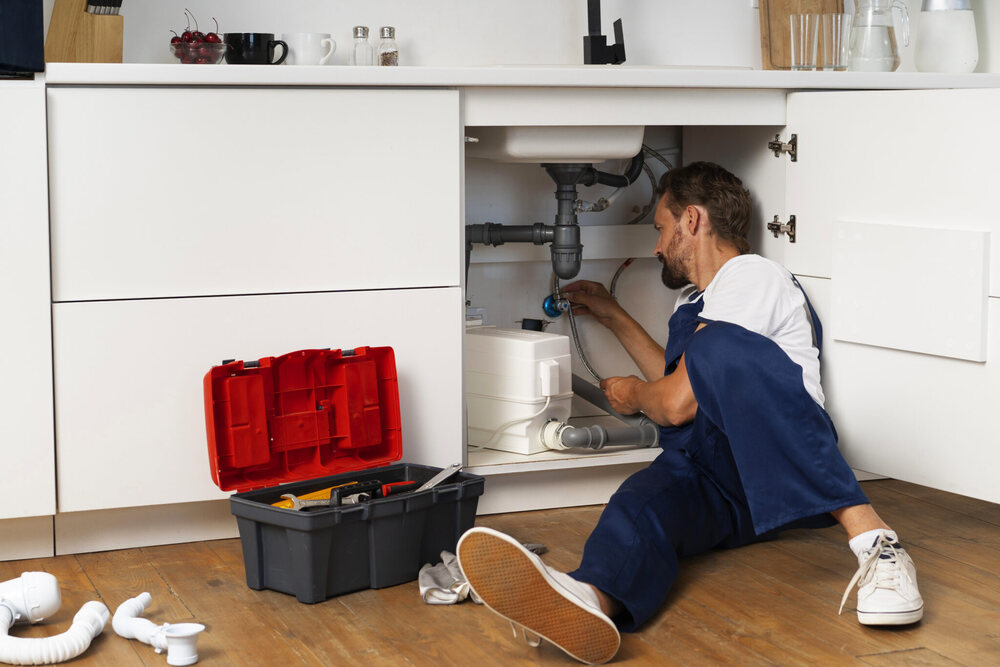
Greensboro Plumbing Services

Related Post

Navigate Medicare Income Limits 2024Navigate Medicare Income Limits 2024

Let’s dive straight into the heart of medicare income limits 2024. It’s a topic that can feel like navigating through a dense fog, but clarity awaits for those who persist. Understanding these limits is crucial, as exceeding them can result in an IRMAA surcharge on top of your regular Medicare premiums. Navigating the shifting landscape of this year’s financial adjustments might just surprise you with its impact on your finances. The irmaa determination is based on your income from two years prior, so it’s important to plan ahead and consider how your retirement income may affect your Medicare costs.

You’ll walk away with an understanding of how gross versus adjusted incomes play pivotal roles in determining your premiums. We’ll shed light on the mysteries of Modified Adjusted Gross Income (MAGI) and its impact on Medicare Part B and D costs. If your MAGI exceeds certain thresholds, you’ll be subject to IRMAA premiums, which can significantly increase your Medicare expenses. Wrapping up, the idea of effortlessly controlling your healthcare spending will suddenly become crystal clear. By staying within the income limits, you can avoid the IRMAA surcharge and keep your Medicare costs more manageable.

This guide promises to equip you with essential knowledge about navigating Medicare costs efficiently, making informed decisions easier than ever before. Additionally, if you qualify for a low-income subsidy, you may be able to get help paying for your Medicare premiums and out-of-pocket costs.

Understanding Medicare Income Limits for 2024

Gross vs. Adjusted Gross Income

When it comes to Medicare in 2024, knowing the difference between gross income and adjusted gross income (AGI) is crucial. Think of your gross income as the total amount you earn before any deductions or taxes are taken out—it’s like the whole pie. Your AGI, on the other hand, is what remains after certain deductions from that pie—like IRA contributions or student loan interest—are subtracted. This distinction matters because your AGI directly influences how much you’ll pay for Medicare premiums. It’s important to keep in mind that there are limits on how much you can earn before your Medicare premiums start to increase.

The sliding scale used by Medicare takes this into account to determine your monthly premiums for Parts B and D. Essentially, as your AGI goes up, so does the cost of your healthcare coverage—a mechanism designed to keep Medicare sustainable while ensuring those who need help most can afford it. Staying within these income limits can help you avoid paying higher IRMAA premiums.

The Role of Modified Adjusted Gross Income

Your modified adjusted gross income (MAGI) plays a pivotal role in setting your Part B and D premiums under Medicare rules for 2024. MAGI adds back certain items to your AGI such as tax-exempt interest earned during the year—think of it as adjusting that slice of pie once more but this time adding some ingredients back in. Your MAGI is what ultimately determines the IRMAA amount you’ll pay on top of your regular Medicare premiums.

MAGI determines where you fall on Medicare’s premium sliding scale. For individuals with higher incomes based on their MAGI levels two years prior—in this case, 2024—their monthly adjustment amounts will be higher compared to those with lower incomes; an effort by Social Security Administration aimed at balancing costs across all beneficiaries without compromising access or quality care provided through plans like medicare advantage or prescription drug coverage.

In essence: know thy MAGI. It could mean significant differences in what one pays annually not just for parts B and D but also affects eligibility thresholds around assistance programs aimed at reducing out-of-pocket expenses related specifically towards prescription drugs within given Health care plans available today including medicaid services alongside traditional routes offered via social security measures established long ago yet constantly evolving each taxable year according there needs society faces collectively moving forward together unitedly strong.

The Impact of Inflation on Home Building Across the USAThe Impact of Inflation on Home Building Across the USA

Introduction

Inflation,the steady increase in prices of goods and services over time,is a phenomenon that has far-reaching consequences for various sectors of the economy. One such sector that’s significantly feeling the heat of inflation is home building in the United States. As inflation continues to climb,the cost of constructing new homes has surged,presenting challenges for both builders and potential homeowners. In this article,we’ll delve into how inflation is affecting home building across the USA and explore the implications of these rising costs.

The Rising Costs of Materials

One of the primary drivers behind the inflation-induced challenges in the home building industry is the escalating cost of construction materials. From lumber to steel to concrete,the prices of essential building components have witnessed substantial increases in recent years. Lumber prices,for instance,experienced a dramatic surge,driven by supply chain disruptions and increased demand during the pandemic. This surge not only impacted the cost of wood-framed structures but also sent ripple effects throughout the construction industry.

Builders,grappling with higher material costs,find themselves in a dilemma. They must either absorb these increased expenses,which eats into their profit margins,or pass them onto the potential homeowners,making housing less affordable. Inflation’s impact on material costs also trickles down to other aspects of home construction,such as plumbing fixtures,electrical wiring,and roofing materials,further compounding the issue.

Labor Shortages and Wage Pressures

In addition to materials,another crucial factor affecting the home building industry is the labor shortage combined with wage pressures. The construction industry has been grappling with a shortage of skilled labor for years,and the pandemic only exacerbated this challenge. The demand for new homes continues to rise,but the supply of skilled workers is struggling to keep up. As a result,construction companies are faced with the need to offer higher wages to attract and retain skilled labor,further driving up construction loan and construction costs.

Higher wages can have a cascading effect on overall project costs. When labor costs rise,builders are compelled to increase the prices of their services,contributing to the overall escalation of housing prices. This scenario creates a double-edged sword: while higher wages are essential to ensure fair compensation for workers,they simultaneously contribute to making homes less affordable for potential buyers.

Land and Regulatory Costs

Inflation’s impact on home building doesn’t stop at materials and labor. Land prices and regulatory costs are additional components that significantly contribute to the overall cost of constructing new homes. As demand for housing continues to grow,the cost of available land has also risen. This is particularly evident in urban areas where space is limited and competition for land is fierce.

Moreover,regulatory costs,including permits,inspections,and compliance with building codes,have also seen an upward trajectory. While these regulations are essential for ensuring the safety and quality of homes,the increased costs associated with them pose a challenge for builders who are already grappling with other inflation-induced expenses.

implications for Homebuyers and the Housing Market**

The cumulative effects of inflation on home building have significant implications for homebuyers and the housing market as a whole. As the cost of construction materials,labor,land,and regulations continue to rise,the prices of newly constructed homes are also climbing. This trend has the potential to make homeownership less attainable for many individuals and families,especially those with lower incomes or first-time homebuyers.

Furthermore,the affordability crisis in the housing market can impact the overall health of the real estate industry. A slowdown in new home construction due to higher costs could lead to a shortage of available housing units,which may result in increased competition for existing homes and drive up their prices as well.

Conclusion

Inflation’s impact on home building in the USA is undeniable,with rising costs of materials,labor shortages,and escalating land and regulatory expenses all contributing to the challenges faced by the construction industry. As builders grapple with these inflation-induced pressures,potential homebuyers find themselves facing higher prices for new homes,making the dream of homeownership seem further out of reach.

Addressing these challenges requires a multi-faceted approach,involving collaboration between government entities,builders,and other stakeholders. Policymakers need to consider ways to streamline regulations without compromising safety standards,and the construction industry must explore innovative methods to enhance efficiency and productivity. 

The Future of Homebuilding: Embracing Prefabricated HomesThe Future of Homebuilding: Embracing Prefabricated Homes

Introduction

In an era marked by rapid technological advancements and a growing emphasis on sustainability, the construction industry is not lagging behind. Prefabricated homes, or prefab homes, have emerged as a modern solution to meet the housing needs of the future. These innovative structures are gaining popularity for their efficiency, sustainability, and affordability. In this article, we will explore the world of prefab homes, delving into their history, Benefits, and why they are considered the future of homebuilding.

The History of Prefabricated Homes

The concept of prefab homes isn’t new. In fact, it dates back to the early 17th century when the first prefabricated structures were shipped from England to the American colonies. These houses were designed in England, disassembled, and then shipped to America for reassembly. Fast forward to the 20th century, and prefab homes saw a resurgence during the post-World War II housing boom when companies like Sears, Roebuck and Co. offered prefab home kits.

However, it wasn’t until recent decades that prefab homes truly started to gain momentum. Advances in technology, materials, and design have transformed prefab homes from basic structures into customizable, high-quality dwellings that rival traditional construction in every aspect.

The Advantages of Prefabricated Homes

1. Speed of Construction: One of the most significant advantages of prefab homes is the speed at which they can be constructed. Traditional construction projects can take months or even years to complete, whereas prefab homes can be assembled on-site in a matter of weeks. This not only reduces construction time but also minimizes the disruption to the surrounding environment.

2. Cost-effective: Prefab homes are often more cost-effective than traditional homes. The controlled manufacturing environment and efficient processes reduce waste and labor costs. Additionally, the ability to purchase materials in bulk further lowers expenses. This cost-efficiency makes prefab homes an attractive option for those looking to own a home without breaking the bank.

3. Sustainability: Prefabricated homes are designed with sustainability in mind. Many prefab manufacturers use eco-friendly materials, and the controlled manufacturing process reduces construction waste. Additionally, prefab homes are often more energy-efficient, with Options for solar panels and energy-efficient insulation. These features align with the growing demand for environmentally responsible housing.

4. Customization: Contrary to the misconception that prefab homes are cookie-cutter structures, they offer a high degree of customization. Buyers can choose from a wide range of designs, layouts, and finishes to create a home that suits their unique preferences and needs. Some companies even offer fully customizable designs, allowing homeowners to create their dream home from the ground up.

5. Quality Control: Prefab homes benefit from rigorous quality control processes in the factory setting. Skilled workers and advanced machinery ensure that each component is built to the highest standards. This leads to a more consistent and reliable end product compared to traditional construction, where quality can vary depending on labor and weather conditions.

6. Durability: Prefabricated homes are built to withstand transportation and assembly, making them inherently durable. Additionally, they often incorporate modern construction techniques and materials that enhance their longevity. This durability can lead to lower maintenance costs over the life of the home.

7. Energy Efficiency: Many prefab homes are designed with energy efficiency in mind. They can include features such as superior insulation, high-efficiency HVAC systems, and double-glazed windows, reducing energy consumption and utility bills.

The Future of Homebuilding

As we look to the future, prefab homes are poised to play a significant role in addressing the world’s housing challenges. Rapid urbanization, population growth, and the need for sustainable construction practices are driving the demand for innovative housing solutions. Prefabricated homes offer a viable solution to these challenges.

The integration of cutting-edge technologies, such as 3D printing and modular construction, is expected to further revolutionize prefab homebuilding. These technologies will enable faster construction, greater design flexibility, and even more sustainable practices.

Additionally, prefab homes are likely to gain wider acceptance among architects and designers, leading to more avant-garde and aesthetically pleasing designs. The stigma once associated with prefab homes is fading as people recognize their versatility and potential for creativity.

Conclusion

Prefab homes are not just a trend; they represent the future of homebuilding. The important questioons to ask are: What are construction loans, and how do they work? Construction Loans: What You Need To Know. Construction Loans: What They Are And How They Work.