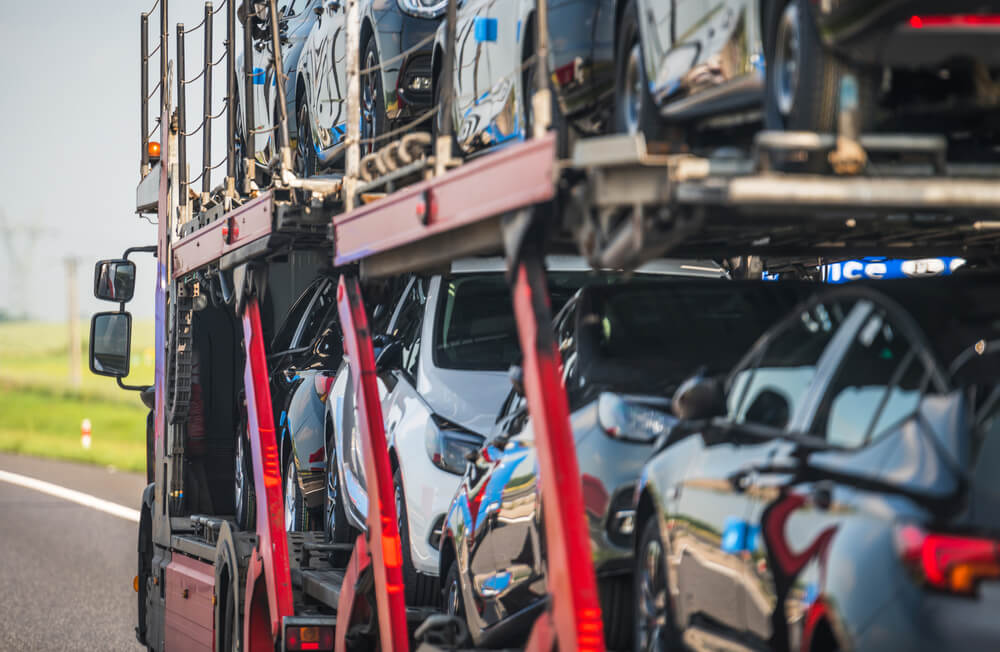
When it comes to transporting vehicles with care and precision, Virginia Vehicle Movers are recognized as trusted professionals who understand the importance of safety, timeliness, and efficiency. Whether you’re relocating across the state or moving cars to a distant destination, finding a dependable auto shipping partner is essential. The right service ensures that your investment is handled responsibly while giving you peace of mind throughout the journey.
In addition to standard vehicle relocation, businesses and individuals often face the challenge of moving larger and heavier items. This is where Reliable Oversized Equipment Transportation becomes a critical solution. Oversized loads, including construction machinery, agricultural equipment, and industrial tools, require specialized logistics and regulatory compliance to ensure smooth delivery. Companies that excel in this area provide not only secure hauling but also the proper permits, routing strategies, and experienced drivers needed to handle the complexities of large-scale transport. According to the Federal Motor Carrier Safety Administration (FMCSA), oversized load transporters must adhere to strict guidelines, reinforcing why partnering with experienced carriers is so important.
Why Virginia Auto Transport Services Stand Out
Virginia is a hub of diverse industries and communities, which makes vehicle shipping a vital service. Auto transport companies here are equipped to handle everything from standard sedans and motorcycles to luxury vehicles and RVs. Customers benefit from services like open carrier shipping, which is affordable and efficient, as well as enclosed shipping for high-value or classic cars that require extra protection.
Additionally, Virginia auto shipping companies provide door-to-door service, eliminating the hassle of driving long distances yourself. They use advanced tracking systems to keep customers informed in real time, ensuring transparency and reliability. Whether you’re moving for a new job, sending a car to a student in college, or managing a dealership transfer, having professionals handle the logistics allows you to focus on what matters most.
The Complexity of Oversized Equipment Transportation
Moving oversized equipment is not just about loading machinery onto a trailer it involves extensive planning. Specialized transport providers assess the size, weight, and dimensions of each piece of equipment to select the right trailer type, whether it’s a flatbed, lowboy, or extendable trailer. They also navigate route restrictions, secure permits, and sometimes require escort vehicles to comply with state regulations.
Another factor to consider is the protection of equipment during transit. Proper tie-downs, coverings, and loading techniques are essential for safety. Professional oversized equipment transporters bring experience and skill to every project, ensuring that costly machinery arrives in the same condition it left. This level of attention to detail helps industries like construction, agriculture, and energy maintain productivity without the risk of delays or damage.
Cost Factors and Considerations
Both auto transport and oversized equipment hauling come with costs influenced by distance, weight, size, and delivery timelines. For vehicles, factors such as open vs. enclosed shipping or seasonal demand can impact pricing. For oversized equipment, fuel costs, permitting fees, and escort requirements often play a role. The best companies provide upfront, transparent quotes without hidden fees, making it easier for customers to budget effectively.
It’s also important to consider insurance coverage. Reputable carriers offer comprehensive insurance that protects your vehicle or equipment throughout the journey. Customers should always review policies carefully to understand coverage limits and ask for documentation before signing agreements.
Benefits of Professional Transport Services
The primary advantage of hiring expert transporters is convenience. Driving vehicles long distances or attempting to haul equipment without proper knowledge can be stressful and risky. By outsourcing the job to licensed professionals, customers avoid unnecessary wear and tear, save time, and minimize risks associated with road travel.
Choosing the Right Partner
When selecting an auto or equipment transport service, customers should prioritize companies with strong reputations, transparent pricing, and proven experience. Checking reviews, asking about insurance coverage, and confirming licensing are key steps in the decision-making process. A provider with excellent communication and a track record of on-time deliveries is worth the investment.
Final Thoughts
Whether you’re looking to ship a car safely across Virginia or move heavy-duty equipment across state lines, the combination of professional auto transport and oversized hauling services provides the peace of mind you deserve. With experts handling every detail from securing permits to protecting valuable cargo you can rest assured that your transport needs are in capable hands. By choosing reliable and experienced professionals, you can simplify complex logistics and focus on what matters most in your journey or business operations.
In an era marked by rapid technological advancements and a growing emphasis on sustainability, the construction industry is not lagging behind. Prefabricated homes, or prefab homes, have emerged as a modern solution to meet the housing needs of the future. These innovative structures are gaining popularity for their efficiency, sustainability, and affordability. In this article, we will explore the world of prefab homes, delving into their history, Benefits, and why they are considered the future of homebuilding.
The History of Prefabricated Homes
The concept of prefab homes isn’t new. In fact, it dates back to the early 17th century when the first prefabricated structures were shipped from England to the American colonies. These houses were designed in England, disassembled, and then shipped to America for reassembly. Fast forward to the 20th century, and prefab homes saw a resurgence during the post-World War II housing boom when companies like Sears, Roebuck and Co. offered prefab home kits.
However, it wasn’t until recent decades that prefab homes truly started to gain momentum. Advances in technology, materials, and design have transformed prefab homes from basic structures into customizable, high-quality dwellings that rival traditional construction in every aspect.
The Advantages of Prefabricated Homes
1. Speed of Construction: One of the most significant advantages of prefab homes is the speed at which they can be constructed. Traditional construction projects can take months or even years to complete, whereas prefab homes can be assembled on-site in a matter of weeks. This not only reduces construction time but also minimizes the disruption to the surrounding environment.
2. Cost-effective: Prefab homes are often more cost-effective than traditional homes. The controlled manufacturing environment and efficient processes reduce waste and labor costs. Additionally, the ability to purchase materials in bulk further lowers expenses. This cost-efficiency makes prefab homes an attractive option for those looking to own a home without breaking the bank.
3. Sustainability: Prefabricated homes are designed with sustainability in mind. Many prefab manufacturers use eco-friendly materials, and the controlled manufacturing process reduces construction waste. Additionally, prefab homes are often more energy-efficient, with Options for solar panels and energy-efficient insulation. These features align with the growing demand for environmentally responsible housing.
4. Customization: Contrary to the misconception that prefab homes are cookie-cutter structures, they offer a high degree of customization. Buyers can choose from a wide range of designs, layouts, and finishes to create a home that suits their unique preferences and needs. Some companies even offer fully customizable designs, allowing homeowners to create their dream home from the ground up.
5. Quality Control: Prefab homes benefit from rigorous quality control processes in the factory setting. Skilled workers and advanced machinery ensure that each component is built to the highest standards. This leads to a more consistent and reliable end product compared to traditional construction, where quality can vary depending on labor and weather conditions.
6. Durability: Prefabricated homes are built to withstand transportation and assembly, making them inherently durable. Additionally, they often incorporate modern construction techniques and materials that enhance their longevity. This durability can lead to lower maintenance costs over the life of the home.
7. Energy Efficiency: Many prefab homes are designed with energy efficiency in mind. They can include features such as superior insulation, high-efficiency HVAC systems, and double-glazed windows, reducing energy consumption and utility bills.
The Future of Homebuilding
As we look to the future, prefab homes are poised to play a significant role in addressing the world’s housing challenges. Rapid urbanization, population growth, and the need for sustainable construction practices are driving the demand for innovative housing solutions. Prefabricated homes offer a viable solution to these challenges.
The integration of cutting-edge technologies, such as 3D printing and modular construction, is expected to further revolutionize prefab homebuilding. These technologies will enable faster construction, greater design flexibility, and even more sustainable practices.
Additionally, prefab homes are likely to gain wider acceptance among architects and designers, leading to more avant-garde and aesthetically pleasing designs. The stigma once associated with prefab homes is fading as people recognize their versatility and potential for creativity.
Honda provides a variety of lease deals designed to suit various needs and tastes. Whether you’re looking for a small car for urban commuting or a spacious SUV for family trips, Honda has a leasing deal that can make driving a new vehicle both cost-effective and easy.
Summary
Honda provides a variety of leasing options for various car models.
Leasing provides versatility with lower monthly payments compared to financing.
Special deals and promotions are available periodically, making leasing even more attractive.
Knowing the terms and conditions of Honda leasing agreements is crucial for making an informed decision.
Why Choose Honda Leasing?
Leasing a Honda car includes many Benefits, such as reduced monthly payments versus conventional car financing. Leasing also provides versatility, as lease terms usually last between two to four years, allowing drivers to upgrade to a new model more frequently.
Reduced Monthly Payments
One of the main advantages of leasing is the reduced monthly cost. When you lease, you’re essentially paying for the vehicle’s depreciation during the lease term rather than the full cost. This means your monthly payments can be significantly lower than if you were financing the car.
Flexibility and Upgrading
Leasing offers the flexibility to upgrade to a newer model every few years. This is ideal for those who prefer having the newest technology, safety features, and fuel-efficient engines. At the end of your lease term, you can easily return the vehicle and choose a new one.
Honda Leasing Offers and Specials
Honda regularly provides special leasing deals and incentives that can make leasing even more appealing. These offers can include lower monthly payments, lowered down payments, and even incentives like free maintenance for a certain period.
Before signing a leasing contract, it’s essential to know the terms and conditions. Here are some key aspects to consider:
Mileage Limits
Most leases include mileage limits, usually ranging from 10,000 to fifteen thousand miles per year. Going over these limits can lead to additional charges at the end of the lease term.
Wear and Tear
Leased cars are required to be returned in good condition, with normal wear and tear. Excessive wear or modifications may incur additional fees.
End-of-Lease Options
At the end of your lease, you typically have three options: return the vehicle, lease a new Honda, or purchase the leased vehicle at a pre-agreed price.
Conclusion
Leasing a Honda can be a wise and cost-effective decision, providing the benefits of lower monthly payments, versatility to upgrade, and access to special offers. By knowing the leasing terms and conditions, you can make an informed decision that best suits your needs and lifestyle.