As more people realize the benefits of vinyl replacement windows, we are now seeing a greater selection of vinyl window types. The most popular are the UPVC and the aluminium. Both have their advantages and disadvantages. For example, vinyl can be installed with ease, is easy to maintain and can be considered more energy efficient than other materials such as aluminium. The only real disadvantage of using vinyl is that it is now so popular that there is now a vast range of products produced using vinyl. The reason for this is because it is cheap to produce, durable and is widely available. There is a misconception that only the rich and famous install vinyl or even that it is a waste of money. This is simply not true. Aluminium is probably the best-known material for DIY project windows, but a PVC or aluminium window can also be purchased ready made and fitted for a great deal less than a comparable aluminium one. One of the key things to remember about window installation however is that it is a rigid material. It is therefore better to use a high quality vinyl and ensure that it has been cut properly and sanded to a proper degree of thickness. Also check that the cut edges have been squared off to ensure they are straight and that the seams are accurately sewn. A little care will go a long way in ensuring that your installation is a success and that you have purchased a product that will last for years to come. Many suppliers offer a lifetime guarantee on their products as part of their standard contract. Another thing to bear in mind when comparing vinyl and aluminium is that both require a certain amount of cleaning. When dealing with aluminium you will need to use a primer before painting or treating it with any liquid as this will significantly reduce the chemical component of the finish. Similarly, a simple wipe with a damp cloth to remove dust will do the job. If you are using a vinyl window treatment, simply wiping it down with a clean cloth will remove the majority of dust and dirt. Another key factor when comparing aluminium and vinyl is that both are prone to flammability. Vinyl is actually far more flammable than its aluminium counterpart and it is important to consider this when installing. If you are having work carried out on an air source heating system, vinyl may actually increase the risk of damage. Aluminium though is relatively less likely to ignite when exposed to fire. As with all types of installation, it is always best to seek professional advice before commencing. This ensures that you are choosing the best materials for your particular application and that your chosen company has the knowledge and expertise to deal with the task. Never undertake a DIY project without the necessary tools and equipment. As with all DIY projects, it is also important to take into account weather conditions and other factors which may affect the success of your window replacement. So whether you are looking to replace an entire window, a section or a single wall it is important to get all the facts from your chosen company so that your installation is a success.
Why Compare Window Types?
Related Post
The Ultimate Guide to Eco-Friendly Roofing ContractorsThe Ultimate Guide to Eco-Friendly Roofing Contractors
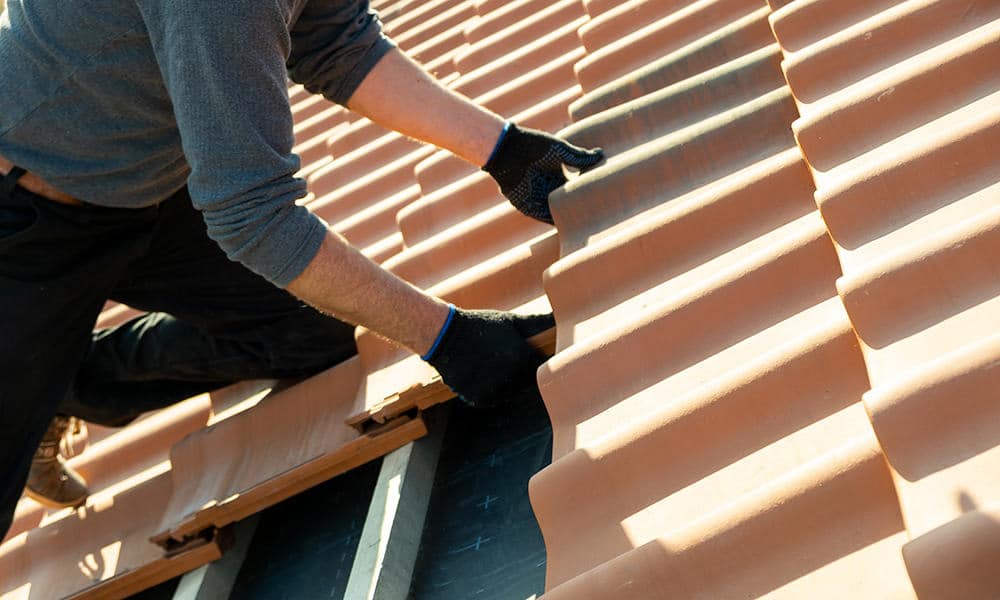
Why Choose Eco-Friendly Roofing Contractors?
Eco-friendly roofing contractors are transforming the way we think about home improvement. They offer sustainable solutions that not only enhance the longevity of your roof but also contribute to environmental conservation. Here’s why you should consider eco-friendly roofing contractors:
- Sustainable Materials: Using materials like metal roofs and recycled shingles, eco-friendly roofing contractors ensure minimal environmental impact.
- Energy Efficiency: Green roofs reflect more sunlight, reducing heat absorption and lowering energy bills.
- Durability: Eco-friendly roofs are built to last, decreasing the need for frequent replacements and repairs.
By choosing eco-friendly roofing contractors, you invest in a sustainable future and enjoy long-term Benefits for your home and the planet. To learn more about -, check out this informative guide.
Key Benefits of Eco-Friendly Roofing
Eco-friendly roofing contractors bring a multitude of benefits that make your investment worthwhile. Let’s explore these benefits in detail:
Sustainable Roofing Materials
One of the main advantages of hiring eco-friendly roofing contractors is their use of sustainable materials. These materials are harvested and produced with minimal environmental impact. Popular Options include:
- Recycled Shingles: Made from recycled rubber, plastic, or wood waste.
- Metal Roofs: Often containing a high percentage of recycled content and fully recyclable at the end of their lifespan.
Using these materials, eco-friendly roofing contractors help reduce the strain on natural resources and promote recycling. Discover the benefits of - in this detailed article.
Longevity and Durability
Eco-friendly roofing contractors prioritize durability, ensuring your roof lasts longer than traditional options. This means fewer replacements and repairs over time, which translates to lower environmental impact and cost savings. Key points include:
- High-Quality Materials: Green roofs are constructed with resilient materials that withstand harsh weather conditions.
- Extended Lifespan: The longevity of eco-friendly roofs reduces the need for frequent maintenance.
Energy Efficiency and Cost Savings
One of the most attractive aspects of eco-friendly roofing is its energy efficiency. By choosing eco-friendly roofing contractors, you can enjoy significant cost savings on your energy bills. Key benefits include:
- Cool Roofs: These roofs reflect more sunlight and absorb less heat, keeping your home cooler and reducing the need for air conditioning.
- Energy Consumption: Lower energy consumption translates to lower carbon footprints and reduced utility costs.
How to Find the Best Eco-Friendly Roofing Contractors
Finding the right eco-friendly roofing contractors is crucial for the success of your project. Here’s a comprehensive guide to help you select the best ones:
Verifying Certifications and Accreditations
Ensure your eco-friendly roofing contractors have valid certifications and accreditations. These credentials reflect their expertise and commitment to sustainable practices. Look for:
- Industry-Specific Certifications: Indicators of the contractor’s knowledge and skills in eco-friendly roofing.
- Accreditations: Proof of adherence to industry standards and sustainable practices.
Reviewing Past Projects and Testimonials
Examining a contractor’s past projects provides insights into their craftsmanship and dedication to eco-friendly practices. Consider:
- Project Portfolio: Details of materials used, design implementation, and problem-solving techniques.
- Customer Testimonials: Feedback from previous clients about the contractor’s reliability, work ethic, and service quality.
Criteria for Selecting Green Roofing Services
When choosing eco-friendly roofing contractors, consider these critical factors:
- Experience: Look for contractors with substantial experience in eco-friendly installations.
- Materials Offered: Ensure a range of sustainable materials, such as recyclable metal shingles or water-efficient green roofs.
- Sustainability Practices: Assess their commitment to responsible disposal of hazardous materials, energy-efficient resources, and local sourcing.
Evaluating Eco-Friendly Roofing Options
Choosing the right material for your roof is essential for an energy-efficient and eco-friendly home. Here are the top options:
Recycled and Renewable Roofing Materials
Sustainable roofing materials, such as recycled and renewable options, are top choices for eco-friendly roofing contractors. Benefits include:
- Recycled Shingles: Made from waste products, reducing environmental strain.
- Metal Roofing: High recycled content and fully recyclable at the end of its lifespan.
Energy-Efficient and Cool Roofs
Cool roofs are excellent for reducing environmental impact. Features include:
- Reflective Capabilities: Reflect more sunlight and reduce heat transfer into the building.
- Lower Energy Use: Reduced need for air conditioning and lower energy bills.
If you’re interested in -, this page provides comprehensive information.
Solar and Living Roofs
Advancements in solar and living roofs are at the forefront of eco-friendly roofing. Benefits include:
- Solar Panels: Turn your roof into a clean energy source, reducing household energy costs.
- Living Roofs: Support plant life, improve air quality, and provide excellent insulation.
Discussing Eco Roofing Solutions with Contractors
Before settling on any contractor, it’s essential to discuss their eco-friendly roofing innovations. Topics to explore include:
Innovative Eco-Friendly Roofing Solutions
Stay informed about the latest green roofing innovations. Discuss:
- Durability of Recycled Shingles: Learn about their long-lasting benefits.
- Energy Efficiency of Solar Panels: Assess their potential to reduce energy costs.
Comprehensive Sustainability Practices
Inquire about the contractor’s approach to sustainability, including:
- Waste Management: How they handle waste during installation.
- Eco-Conscious Methods: Their use of sustainable materials and energy-efficient resources.
Explore how - can enhance your home improvement project.
FAQs About Eco-Friendly Roofing Contractors
What Should I Look for When Choosing Eco-Friendly Roofing Contractors?
- Experience and Expertise: Ensure they have a proven track record in eco-friendly installations.
- Certifications and Accreditations: Check for valid industry-specific certifications.
Why Should I Opt for Sustainable Roofing Materials?
- Environmental Impact: Sustainable materials reduce environmental strain and promote recycling.
- Longevity: These materials last longer, reducing the need for frequent replacements.
How Can I Verify an Eco-Friendly Roofing Contractor’s Qualifications?
- Certifications: Look for valid industry-specific certifications.
- Customer reviews: Read testimonials to gauge their reliability and service quality.
What Types of Eco-Friendly Materials Should I Expect?
- Recycled Shingles: Made from recycled rubber, plastic, or wood waste.
- Metal Roofing: High recycled content and fully recyclable.
What Should My Discussions with Prospective Contractors Include?
- Sustainability Practices: Inquire about their waste management and eco-conscious installation techniques.
- Innovative Solutions: Discuss the latest advancements in eco-friendly roofing materials.
By choosing eco-friendly roofing contractors, you make a significant contribution to environmental sustainability while enjoying the benefits of a durable, energy-efficient roof. Make informed decisions, select the right contractors, and invest in a greener future for your home.
What Is The Best Way To Grow vegetables In A Garden?What Is The Best Way To Grow vegetables In A Garden?
What`s the Best Way to Grow Taller in a Garden?
,
The best method for you to do this depends largely on your own soil. My land is fertile clay along with the green bean I tomato plant are doing really well. But these are the types of beans which don`t like alkaline soils.
,

,
So,what`s the best way to grow vegetables in a garden with poor or clay soils? Well,I guess the best approach isn`t to develop anything else whatsoever. If you have to grow,my advice would be to develop chili,kidney pole beans,turnips,carrots and zucchini. All these easiest vegetable will thrive in alkaline soils,where they were originally found.
,
So,what`s the best way to grow vegetables in a garden if we can`t be growing vegetables in the location where we reside? This way,you will control the environment they develop in. For instance,if you reside in an area where the soil is too acidic,it`s practically impossible to grow wide beans or tomatoes. However,by growing vegetables in containers,you can boost the quantity of water contained per unit of plant and thus increase the possibility of success.
,
What vegetables can be planted next to each other?
,
Additionally,once we discuss the best method to vegetable gardening,among the biggest challenges is sowing and weeding. Sowing seed packet at the suitable time is crucial for success. It is also extremely important that the seed be planted into soil that is overburdened,in addition to shielded from over-watering and from extreme temperatures.
,
When talking about the very best way to grow vegetables in a garden,there are a number of things which have to be taken into account. One of these is water availability. You need to plan on investment in an irrigation system,so thatyou can more easily keep tabs on water levels and to make sure thatyour vegetable plants get all the water that they need. sign makers. Additionally,ensure thatthe area you decide to grow your warm season plants is free of weeds. There are many distinct types of weeds and you want to find one which isn`t damaging to the plant or the fruit you will be growing.
,
Another factor in determining what`s the best way to grow vegetables in a kitchen garden is the kind of soil you are working with. Different types of earths hold different levels of moisture and can therefore require different amounts of water as well. Try to choose plants which will grow well together on your own garden. Some varieties can actually handle drought more readily than others. Make sure you check with an expert before you decide which plants will work best on your climate.
,
How can you start a simple vegetable garden?
,
Among the additional elements which should be considered when deciding what`s the best way to grow vegetables in a garden is exactly what you plan on putting from the soil. Are you going to be companion planting seeds inside,with hydroponics or soil? What nutrients should you use from the pottingsoil? Are you going to be series planting fruits,herbs,or vegetables? The answers you get to those questions will decide the best method to grow plants of any kind.
,
The final piece of this puzzle is water. Are you going to be growing plants which need a lot of water or do they require very little? Do you intend on putting in potting mix dirt or using hydroponics? Once you have answered these questions you can then proceed to another step in locating the best way to grow vegetables in a garden bed.
,